
The Unique Demands of the British Chippy
The fish and chip shop is a British institution — and running one successfully requires equipment that can handle very specific demands. Unlike a restaurant fryer that cooks a variety of products in moderate batches, a busy chippie needs to produce extraordinary volumes of battered fish and chips at consistent quality, often continuously for hours at a time during peak service.
A traditional Friday evening service in a well-established UK chippy can require the production of hundreds of portions of fish and chips within a few hours. Achieving this without temperature drops, greasy food, or equipment failure requires the right fryer — properly specified, correctly installed, and well maintained.
This guide is written specifically for fish and chip shop operators: whether you're opening your first shop, upgrading ageing equipment, or reconsidering your frying range after a difficult year.
The Traditional Range Fryer vs Individual Freestanding Fryers
One of the first decisions a new chippie owner faces is whether to invest in a traditional range fryer or a configuration of individual freestanding units. This choice has significant implications for your kitchen layout, running costs, and operational flexibility.
Traditional Range Fryers
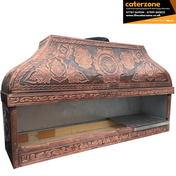
A range fryer is a custom-built or semi-modular system designed specifically for fish and chip shops. It typically consists of multiple cooking pans arranged side by side within a single cabinet framework, often with integrated hot storage, a chip scuttle, and bain-marie sections. Range fryers are the traditional centrepiece of the British chippy and are manufactured by a handful of specialist UK companies including Archway, Hewigo, and Henry Nuttall.
The advantages of a range fryer are substantial for a dedicated chippie:
- Designed for volume: Range fryers are built for continuous high-output service. Multiple large pans allow simultaneous cooking of fish, chips, and other products without compromise.
- Integrated workflow: Hot storage, chip scuttles, and service areas built into the unit create an efficient workflow that freestanding equipment rarely matches.
- Heat management: Range fryer designs typically manage the heat and flue efficiently, with all burners serving a single extract system and the overall heat load distributed in a controlled way.
- Professional appearance: A well-specified range fryer gives the front-of-house area of an open-kitchen chippy a professional, traditional look that customers associate with quality.
The main disadvantage is cost and inflexibility. A quality range fryer represents a significant capital investment — often £10,000–£40,000 or more for a full custom installation — and once fitted, it's not easy to reconfigure. For a new operator on a limited budget, the upfront cost can be prohibitive.
Individual Freestanding Fryers
An alternative approach is to use two, three, or four individual floor-standing commercial fryers positioned alongside each other beneath a common extract canopy. This configuration offers several advantages:
- Lower upfront cost: Even premium individual fryers are considerably cheaper than a bespoke range installation.
- Flexibility: Individual fryers can be replaced one at a time as they age or fail, without needing to replace the entire installation. You can also reconfigure the layout more easily as your business evolves.
- Manufacturer range: You can mix and match fryers from any manufacturer — choosing the best specification at each price point rather than being tied to a single range supplier.
The disadvantages are a less integrated workflow, potentially more complex ventilation requirements if each unit has different flue needs, and a less traditional presentation. For a modern, fast-casual fish and chip concept these limitations may not matter much; for a traditional shop where the range is part of the atmosphere, they might.
Fuel Options: Gas, Electric, and Solid Fuel
Fish and chip shops have a long history with all three fuel types, though the options available in practice today are predominantly gas and electric.
Gas Fryers in Chippies
Gas remains the dominant fuel choice for UK fish and chip shops, and for good reason. Gas fryers deliver fast heat recovery — essential when you're dropping large batches of fish and chips in rapid succession — and gas unit costs have generally been lower than electricity for high-volume commercial users. The characteristic even, powerful heat of a gas burner is well suited to the constant thermal demands of a busy chippie.
All gas fryers must be installed by a Gas Safe registered engineer. For range fryers in particular, the installation is a specialist job that requires careful attention to gas supply sizing, burner setting, and flue arrangement. Annual servicing by a Gas Safe engineer is strongly recommended and may be required by your insurer and local authority environmental health officer.
Electric Fryers in Chippies
Electric fryers have improved substantially in recent years, and some modern high-power models offer performance that genuinely rivals gas equivalents. For a fish and chip shop, electric fryers have some specific advantages:
- No combustion products, which can simplify ventilation requirements
- More precise thermostat control, which can help maintain consistent oil temperature for delicate battering
- Potential advantage during periods when gas prices are elevated relative to electricity
However, a fully electric fish and chip shop kitchen requires a substantial electrical supply. Multiple high-power fryers running simultaneously can easily require a 100–200 amp three-phase supply, which may require significant investment in electrical infrastructure for an existing premises. For new builds, it's worth having an electrical capacity assessment carried out early in the planning process.
Solid Fuel (Coal) Fryers
Solid fuel — specifically coal — was the traditional energy source for British fish and chip shops for much of the 20th century. A small number of chippies still use coal-fired range fryers today, typically as a point of distinction and as a claimed contributor to the unique flavour of their product. However, coal fryers present serious regulatory and practical challenges in 2026:
- The UK's Clean Air Strategy and various local smoke control area regulations restrict the use of solid fuel in many areas, particularly in England. The 2023 expansion of smoke control areas means that operating a coal-fired fryer is now prohibited in a large proportion of UK locations without a specific exemption.
- Sourcing appropriate solid fuel, storing it safely, and managing ash disposal all add operational complexity.
- Insurance costs for solid-fuel operations are typically higher than for gas or electric equivalents.
For most new chip shop operators in 2026, solid fuel is not a practical option. If you are specifically interested in this route, seek advice from your local council environmental health team before making any investment.
Sizing a Fish and Chip Shop Fryer
Fish and chip shops typically require considerably more frying capacity than a comparable-sized restaurant, because the menu is dominated by products that require continuous, high-volume frying during peak periods.
Chip Fryers
A dedicated chip fryer for a busy chippie should have at least a 16-litre oil capacity, and in a high-volume shop, 20 litres or more per pan is common. The key performance metric is heat recovery time: a chip fryer that takes three minutes to return to temperature after a 2 kg batch load is added will produce far less output per hour than one that recovers in under 90 seconds. Look for models with high BTU ratings (gas) or high kW elements (electric) and well-designed heat exchange systems.
Fish Fryers
Fish fryers are typically operated at a slightly different temperature to chip fryers (around 185–190°C for battered cod or haddock vs 175–180°C for chips) and produce more debris. A fish pan of 14–18 litres is standard for a mid-sized chippie, with good sediment management to keep the oil clean. The tank geometry should allow good visibility of the product during cooking, and the basket size should accommodate full fish fillets comfortably.
Separate Pans for Separate Products
A traditional chippy typically operates dedicated pans for different products: chips, fish, sausages/saveloys, and other items. This separation is important both for food quality (avoiding flavour transfer) and for temperature management (different products have different optimal frying temperatures). It also supports allergen management — a dedicated pan for gluten-free products, for example, is essential if you're offering this option.
UK Regulations Specific to Fish and Chip Shops
Food Standards Agency (FSA) Guidance
The FSA provides specific guidance on food safety in chip shops, including oil management, temperature monitoring, and acrylamide reduction. Acrylamide — a chemical that forms in starchy foods cooked at high temperatures — is subject to EU-derived regulations that remain in force under UK retained law. You must have documented processes for monitoring cooking temperatures and following the FSA's acrylamide toolkit recommendations.
Oil Quality and Polar Compounds
UK enforcement authorities and the wider industry take oil quality seriously. Used cooking oil with high levels of polar compounds (a by-product of oil degradation) produces lower-quality food and is associated with increased acrylamide formation. Many local authorities expect fish and chip shops to have documented oil management procedures, including regular testing with polar compound test strips and a clear protocol for oil change frequency.
Fire Safety
Commercial fryers — and particularly the substantial oil volumes in a range fryer — represent a significant fire risk. Your kitchen must be equipped with an appropriate suppression system (typically a wet chemical system for deep-fat fryers) and the system must be inspected and certified annually. Local fire authority guidance and the Regulatory Reform (Fire Safety) Order 2005 set out your obligations as a business operator.
Planning and Environmental Health
Opening or substantially modifying a fish and chip shop will typically require a change of use planning application, a food business registration with your local authority, and an inspection from an environmental health officer. The extract system and odour control provisions are a frequent point of scrutiny — fish and chip shops have historically been subject to odour complaints, and modern planning decisions typically require high-efficiency odour control (such as a UV or carbon filtration system) as a condition of consent.
Maintaining Your Chip Shop Fryer: Key Practices
- Daily: Filter oil at the end of service to remove crumbs and sediment. Check thermostat accuracy. Clean exterior surfaces and drain areas.
- Weekly: Full boil-out of tanks to remove carbonised residue. Check oil colour and polar compound levels. Inspect heating elements or burners for visible deterioration.
- Monthly: Full deep clean of fryer unit including beneath the fryer. Check all thermostats, timers, and safety devices are functioning correctly.
- Annually: Full service by a qualified engineer (Gas Safe for gas models, qualified electrician for electric). Replace any worn seals, gaskets, or thermocouples. Service extract system and fire suppression system.
For fish and chip shop operators looking for quality frying equipment — whether you're fitting out a new shop or replacing aging equipment — Caterzone offers a range of commercial fryers suited to the demands of a busy chippy. From high-output floor-standing gas fryers to specialist range configurations, thecaterzone.co.uk can help you find the right equipment to keep your shop frying at its best through the long service hours that define the British fish and chip tradition.
Summary: What Makes a Great Chip Shop Fryer in 2026
- High-output burners or elements for fast heat recovery between large batches
- Generous oil capacity (14–20+ litres per pan for a busy shop)
- Effective sediment management to extend oil life
- Gas installation by a registered Gas Safe engineer; electric systems designed for three-phase supply
- Compliance with FSA acrylamide guidance and polar compound monitoring
- Annual service and fire suppression system certification
- Consider a dedicated fish pan separate from chip pans for quality and allergen control
Looking to buy? Shop our range
Browse Commercial Fryers at Caterzone — UK trade prices, fast delivery, and expert support. Call +44 1604 969239 or email info@thecaterzone.co.uk.