
Restaurant Takeaway & Delivery Equipment Checklist: Complete UK Guide
Quick Answer
Essential takeaway and delivery equipment includes heated holding cabinets and hot displays to keep food at 63°C+, insulated delivery bags, quality food packaging, a fryer and griddle for fast cooking, and refrigeration for prep. The goal is keeping food safe and hot from kitchen to customer.
Caterzone supplies takeaway and delivery equipment to hundreds of UK restaurants, from independent cafes launching their first delivery service to established restaurant groups scaling their off-premise operations. The explosion in food delivery demand since 2020 has made proper takeaway equipment no longer optional — it's essential for any restaurant wanting to compete in today's market.
This comprehensive checklist covers every piece of equipment you need to run a successful takeaway and delivery operation in the UK, from essential items to efficiency-boosting additions that can dramatically improve your operation's profitability.
Why Dedicated Takeaway Equipment Matters
Many restaurants attempt to run delivery operations with makeshift equipment designed for dine-in service. This approach inevitably leads to problems: food arriving cold or soggy, packaging failures creating customer complaints, inefficient workflows slowing order fulfilment, and staff struggling with unsuitable equipment.
Proper takeaway equipment solves these issues while improving food quality, reducing complaints, speeding up service during peak periods, and protecting your profit margins through portion control and waste reduction. The initial equipment investment typically pays for itself within 3-6 months through improved efficiency and reduced waste.
Essential Takeaway & Delivery Equipment Checklist
Food Packaging Essentials
Takeaway containers (varied sizes): Stock 500ml, 750ml, 1000ml microwave-safe containers. Budget £0.08-£0.25 per container depending on material and quality. Recyclable kraft or biodegradable options increasingly required by environmentally conscious customers.
Pizza boxes: If serving pizza, stock 9", 12", and 15" boxes. Quality boxes prevent crushing during delivery. Cost: £0.15-£0.40 per box. Pre-printed boxes with your branding cost more but serve as mobile advertising.
Soup/sauce containers with secure lids: Leak-proof containers prevent disasters in delivery bags. Budget £0.12-£0.30 for 8-16oz containers. Test lids thoroughly — one leak can destroy a customer relationship.
Cutlery packets: Individual wrapped sets including fork, knife, napkin. Cost: £0.05-£0.10 per set. Required for most hot food delivery by Environmental Health standards.
Carrier bags: Heavy-duty kraft or biodegradable plastic. Budget £0.08-£0.20 per bag. Size bags appropriately — oversized bags waste money and frustrate customers.
Tamper-evident seals/stickers: Increasingly required by delivery platforms and valued by customers for food safety assurance. Cost: £0.02-£0.05 per seal.
Food Preparation & Holding Equipment
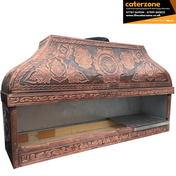
Hot holding cabinets: Essential for maintaining food at safe 63°C+ temperatures while awaiting collection. Countertop models start £300-£600; large mobile units £1,000-£2,500. Calculate capacity based on peak hour order volume — a busy restaurant needs space for 15-25 orders simultaneously.
Heat lamps for collection counter: Keep collected orders warm while customers pay or wait. Budget £80-£200 per lamp. Position 40-50cm above food for optimal results.
Separate prep station for takeaway orders: Dedicated space prevents conflicts between dine-in and takeaway service. Requires stainless steel prep table (£200-£500), storage for packaging materials, and order assembly area.
Portion control equipment: Scoops, ladles, and scales ensure consistent portions, protecting profit margins. A 50g variation on a £12 curry adds up to significant profit loss over hundreds of orders. Investment: £100-£300 for complete portion control kit.
Delivery-Specific Equipment
Insulated delivery bags: Quality bags maintain temperature for 30-45 minutes. Budget £25-£60 per bag. Calculate needs based on simultaneous deliveries — typically 2-3 bags per driver plus 20% spare capacity for peak periods.
Pizza delivery bags: Specialised bags with rigid bases prevent pizza crushing. Cost: £30-£70 each. Some models accommodate 3-4 pizzas simultaneously for multi-order efficiency.
Heated delivery bags (optional): Battery or vehicle-powered heated bags extend temperature retention to 60-90 minutes. Particularly valuable for restaurants covering wide delivery areas. Cost: £80-£200 per bag plus ongoing battery costs.
Delivery driver equipment: High-visibility vests (£8-£15), branded uniform (£25-£50 per set), mobile phone mount (£10-£20), torch for dark addresses (£15-£30).
Order Management & Technology
Kitchen display system (KDS): Digital screens replace paper tickets, improving accuracy and speed. Entry-level systems start £500-£800; professional multi-station setups £2,000-£5,000. Integration with major delivery platforms reduces manual input errors.
Receipt/label printer: Thermal printers produce clear, fast order labels. Budget £150-£400. Ensure compatibility with your POS or order management system.
Tablet/smartphone for delivery platforms: Dedicated device prevents order notifications interrupting other business communications. Budget £150-£400 for reliable Android tablet with good battery life.
Internet connectivity upgrades: Reliable, fast broadband essential for real-time order management. Budget £30-£80 monthly for business-grade connection. Consider backup 4G dongle (£15-£30/month) for redundancy.
Food Safety & Compliance
Temperature monitoring equipment: Probe thermometers (£15-£40) and infrared thermometers (£25-£60) ensure food leaves at safe temperatures. UK food safety law requires temperature logging.
Food safety labels and date stickers: "Use by" stickers and allergen labels comply with UK regulations. Budget £20-£40 for starter pack of labels.
Hand sanitiser stations: Required at packaging and handover points. Wall-mounted dispensers £15-£30; refills £8-£15 per 5L.
Personal protective equipment: Disposable gloves for packaging (£8-£15 per 100), hairnets (£6-£12 per 100), face masks as required.
Optional Equipment to Boost Efficiency
Automated labelling system: Prints and applies order labels automatically. Premium investment (£1,500-£4,000) justified for high-volume operations processing 100+ daily orders.
Dedicated fryer/griddle for delivery: Separate cooking equipment for delivery prevents dine-in service disruption during peak periods. Budget £600-£2,000 depending on capacity.
Blast chiller (for meal prep operations): Rapidly cool prepared foods for safe storage and reheating. Essential for centralised kitchens serving multiple locations. Cost: £2,000-£8,000.
Commercial microwave for reheating: High-powered units (£200-£600) speed final heating before packaging. Choose models rated 1800W+ for commercial reliability.
Heated merchandiser for collection counter: Display hot food attractively while maintaining temperature. Encourages impulse purchases from collection customers. Budget £300-£800.
Budgeting Guide for Takeaway Equipment
Minimal startup (collection only, small cafe): £800-£1,500
Essential packaging, basic hot holding, minimal technology. Suitable for testing takeaway demand before full investment.
Mid-range operation (collection + limited delivery): £2,500-£5,000
Quality packaging, hot holding cabinet, delivery bags for 2 drivers, KDS or tablet system, comprehensive portion control.
Full-scale delivery operation (restaurant with substantial delivery volume): £6,000-£12,000
Professional hot holding, delivery equipment for 3-4 drivers, KDS integration, automated systems, dedicated prep area, backup equipment.
Ongoing monthly costs: Budget £400-£800 monthly for packaging consumables (containers, bags, cutlery) based on 800-1,500 monthly orders.
Equipment Maintenance and Replacement
- Daily cleaning: Hot holding equipment, prep surfaces, delivery bags (wipe down after each shift)
- Weekly deep clean: Delivery bags interior, hot holding cabinet full clean including shelves and door seals
- Monthly checks: Temperature calibration of holding equipment, delivery bag insulation effectiveness, portion control tool accuracy
- Quarterly replacement: Worn delivery bags (check for tears, broken zips), damaged containers and lids, expired thermometers
- Annual service: Professional calibration of hot holding equipment, KDS system updates and backup
UK Regulatory Compliance
Your Environmental Health Officer will inspect takeaway operations for proper hot holding temperatures (63°C+), appropriate packaging and labelling (allergen information clearly displayed), hygiene standards at packaging station, food safety procedures for delivery drivers, and traceability systems for delivery orders.
Failure to maintain proper standards can result in improvement notices, fines of £1,000-£20,000 for serious breaches, or forced closure in extreme cases. Invest in proper equipment from the start to avoid these risks.
Frequently Asked Questions
What's the minimum equipment I need to start offering takeaway?
At absolute minimum: appropriate food containers with secure lids, insulated bags or boxes for customer collection, packaging materials (bags, cutlery, napkins), basic hot holding equipment to keep food above 63°C, and temperature monitoring equipment to prove compliance. This baseline setup runs £500-£800. However, adding delivery capability requires additional investment in delivery bags, driver equipment, and order management technology.
How many delivery bags should I buy?
Calculate based on simultaneous deliveries during peak periods. A restaurant averaging 15-20 deliveries per hour with 30-minute delivery times needs 8-10 bags in circulation, plus 2-3 spares for damaged/dirty bags. Start with 10-12 bags minimum for a serious delivery operation. Quality bags last 6-12 months with proper care before needing replacement.
Should I buy or lease equipment for takeaway?
Purchase packaging consumables and delivery bags outright — leasing makes no sense for items with short lifespans. Consider leasing for expensive items like large hot holding cabinets (£2,000+) or comprehensive KDS systems (£3,000+) if capital is limited. Leasing costs approximately 20-30% more over 3-4 years but preserves working capital for inventory and marketing.
Do I need different insurance for delivery operations?
Yes. Standard restaurant insurance often excludes delivery. You need employer's liability if drivers are employees (legally required), commercial vehicle insurance for delivery vehicles, and public liability covering food delivery. Expect £800-£1,500 annual premium increase for delivery cover. Using third-party delivery services (Deliveroo, Just Eat, Uber Eats) transfers some liability to them but doesn't eliminate your responsibilities.
Get Started with Caterzone
Setting up an effective takeaway and delivery operation requires careful equipment selection balanced against your budget, kitchen space, and expected volume. Our team at Caterzone helps UK restaurants every day to specify the right equipment for their specific needs.
Browse our complete range of takeaway and delivery equipment, or contact our specialists for a free consultation. We offer competitive pricing, fast UK delivery, and ongoing support to ensure your takeaway operation succeeds from day one.
Looking to buy? Shop our range
Browse our full commercial catering equipment range at Caterzone — UK trade prices, fast delivery, and expert support. Call +44 1604 969239 or email info@thecaterzone.co.uk.