
Quick Answer
A commercial tandoori oven is a clay-lined, insulated oven that reaches 400°C or more for naan, roti, and skewered tikka. UK prices run from about £500 for a refurbished clay tandoor to £1,150 for a new large gas or charcoal model, and £2,400–£3,600 for rotating naan machines producing 200–300 breads an hour.
Caterzone supplies commercial tandoori ovens to Indian, Pakistani, Bangladeshi, Afghan, and Persian restaurants and takeaways across the UK, and the tandoor is the one piece of equipment in those kitchens that no combi oven or chargrill can replace. Naan blistered against a 450°C clay wall and chicken tikka cooked on a skewer in the same heat have a texture and char that a conventional oven simply cannot produce.
This guide covers how a clay tandoor works, gas versus charcoal, traditional tandoors versus rotating naan machines, sizing against covers and bread output, curing a new clay pot, UK gas and ventilation rules, and real running costs. Browse the commercial oven range, including tandoori ovens, as you read.
How does a commercial tandoori oven work?
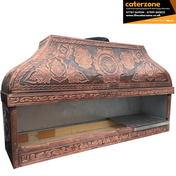
A commercial tandoori oven is a thick clay pot — typically around 5cm of fired stone clay — sitting inside an insulated steel casing, with a gas burner or a charcoal bed at the base. The heat source warms the clay, and the clay stores and radiates that heat back into the cooking chamber. The result is three kinds of heat at once: radiant heat from the walls, convected hot air rising through the pot, and direct contact heat where dough is slapped onto the clay.
That combination is what makes the tandoor unique. A naan pressed onto a wall at 400°C to 480°C cooks in roughly 60 to 90 seconds, puffing on the air side and charring where it touches the clay. Skewered chicken tikka, seekh kebab, and lamb chops hang down the centre in the rising heat and cook in 8 to 15 minutes depending on the cut, with the fat dripping onto the coals or burner and flashing back as smoke and flavour.
The casing matters as much as the pot. A good commercial tandoor such as the Shaan large model uses a hardened inner surface, reinforcement rings around the clay, and triple-layer insulation between the pot and the stainless steel body. Better insulation means the outer casing stays cooler, the clay recovers its temperature faster between batches, and you burn less gas or charcoal to hold service temperature.
Gas or charcoal: which tandoor is better for a UK restaurant?
Most new UK tandoor installations are now gas, and for most restaurants that is the right choice. Gas tandoors light in seconds, reach working temperature in around 45 to 60 minutes on a clay pot, hold a steady temperature with a turn of the valve, and produce no ash. Many models, including the Shaan large tandoor, can be supplied for natural gas, LPG, or charcoal, so you can match the oven to your site.
Charcoal gives a smokier flavour and is still preferred by some chefs for kebabs and tikka. It also brings real costs. Charcoal must be lit well before service, cannot be turned down quickly, produces ash that needs safe daily disposal, and burns with significant carbon monoxide output — so your extraction and make-up air must be designed for solid fuel, and a carbon monoxide alarm is strongly advisable. If you are in a smoke control area, check with your local authority before committing to solid fuel, and confirm with your landlord and insurer: many now prefer or require gas.
A practical middle route used by a lot of UK kitchens is a gas tandoor for breads and a separate charcoal grill or mangal for kebabs, where the smoke flavour matters most. Read our charcoal grill and mangal guide if that is the setup you are considering.
Traditional clay tandoor or rotating naan machine?
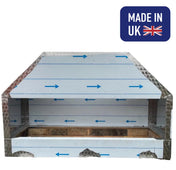
A rotating naan machine — sometimes called an automatic roti maker or rotating tandoor — is a stainless steel gas oven with a turning hot plate or drum that carries breads past the burners. The 30-inch rotating machine Caterzone supplies produces 200 to 250 breads an hour from a 15kW British-made gas burner, with variable speed control and a body only 70cm wide. The deluxe automatic rotating gas tandoor cooks seven breads at once, produces up to 300 an hour, and is ready in five to seven minutes rather than the best part of an hour.
The trade-off is technique versus throughput. A clay tandoor needs a skilled tandoor chef: slapping naan onto a wall at 450°C and retrieving it with hooks without dropping it into the fire takes training, and good tandoor chefs are scarce and well paid. A rotating machine can be run by most kitchen staff after a short demonstration, and every bread comes out the same. What you give up is the classic clay-wall char and the ability to cook skewered meats in the same oven.
The rule of thumb: if your menu sells naan and tikka in roughly equal measure and you have a tandoor chef, buy a clay tandoor. If bread volume is the bottleneck — a busy takeaway, a buffet restaurant, an Afghan bakery, or a delivery-led kitchen sending out hundreds of naan on a Friday — a rotating machine pays back quickly, and many large kitchens run both.
Tandoori oven comparison
| Oven | Type & fuel | Output / size | Best for | Guide price |
|---|---|---|---|---|
| Refurbished clay tandoor | Clay pot, gas | 70 x 82 x 89cm | Start-ups, second oven | £500–£618 |
| Shaan large tandoor (new) | Clay pot, NG / LPG / charcoal | 73 x 94 x 89cm, 150kg | Restaurants with a tandoor chef | £1,150 |
| Rotating naan machine 30" | Stainless, 15kW gas | 200–250 breads/hour | Busy takeaways, delivery kitchens | £2,400 |
| Deluxe rotating tandoor | Stainless, gas, castors | 7 at once, up to 300/hour | Buffets, bakeries, high volume | £3,000 |
| Rotating naan machine 40" | Stainless, gas | Larger drum, higher output | Production and banqueting | £3,600 |
What size tandoor does your kitchen need?
Size a clay tandoor on peak bread output and the number of skewers you need in the pot at once. A medium clay tandoor typically takes six to eight naan on the wall at a time; a large pot such as the 73cm Shaan model gives more wall area and room for skewers in the centre. With each naan taking around 90 seconds including loading and retrieval, a skilled chef on a medium pot can realistically turn out 150 to 200 breads an hour at full pace, but only while the clay holds temperature.
That last point is the real constraint. Every naan and every skewer pulls heat out of the clay, and a small pot run hard on a Saturday night loses temperature and starts producing pale, doughy bread. If your peak hour needs more than about 150 naan plus tikka orders, either step up to a large pot, add a rotating naan machine for bread, or run two tandoors.
Check the physical facts before ordering. A large clay tandoor weighs around 150kg, so confirm your floor, your route in through the building, and whether the oven will fit through doors — the 30-inch rotating machine is designed at 70cm wide with a removable front cover for exactly that reason. Allow clearance from walls and combustibles as stated in the manual, and plan the tandoor under the extraction canopy, not beside it.
How do you cure a new clay tandoor?
A new clay tandoor must be cured — seasoned — before its first service, or the pot can crack and the bread will stick. Curing hardens and seals the clay surface and drives out residual moisture slowly. Follow the manufacturer's instructions exactly, because pots differ, but the principles are the same everywhere.
First, the inside of the pot is coated with a seasoning paste; traditional recipes use ingredients such as mustard oil, spinach paste, salt, and jaggery or egg, and the coating is left to dry. Second, the pot is fired gently: a low flame or small charcoal fire for the first few hours, increased gradually over one to two days until the oven reaches full temperature. Rushing this stage is the most common cause of cracked pots.
Once cured, protect the clay. Never splash cold water into a hot tandoor, never run it at full heat from cold, and brush out debris at the end of each day once it has cooled. Hairline surface cracks are normal over time and can usually be repaired with clay paste; deep cracks or loose sections mean the pot needs specialist repair or replacement.
What are the UK safety and installation rules for a tandoor?
A gas tandoor in a UK commercial kitchen must be installed and commissioned by a Gas Safe registered engineer with commercial catering qualifications, and serviced at least annually. The appliance should have a flame supervision device so gas shuts off if the flame fails — check this on any refurbished or imported unit before you buy.
The tandoor must sit under a correctly designed extraction canopy. Under BS 6173, gas cooking appliances in a commercial kitchen need an interlock between the extraction system and the gas supply, so gas cannot flow unless the extraction is running. A tandoor puts out a great deal of heat and, with charcoal, combustion products, so your extraction designer needs to know exactly what the oven is and what fuel it uses. Our extraction canopy guide explains the requirements.
Food safety rules apply as for any cooking appliance. Cook chicken tikka and seekh kebab to a core temperature of 75°C, checked with a sanitised probe, or an equivalent time-temperature combination recorded in your HACCP plan. Keep raw marinated meat and cooked skewers separate, use separate skewers and hooks for raw and cooked handling, and log your probe checks. Your EHO will look at skewer handling and probing closely in any tandoor kitchen.
What does a tandoori oven cost to run?
Running cost depends on burner size and how hard you push the oven. As a guide, a rotating naan machine with a 15kW burner running flat out for an hour uses 15kWh of gas, which at around 7p per kWh for commercial gas is roughly £1.05 an hour. A clay tandoor running at a lower average burn once up to temperature typically costs less than that per hour, but it takes 45 to 60 minutes to heat, and that warm-up is gas you pay for before the first naan.
The manufacturer of the deluxe rotating tandoor quotes around 50% less gas than a clay oven for the same bread output, largely because it heats in minutes and only runs when needed. Charcoal is harder to cost precisely; a busy restaurant tandoor can use 10kg to 20kg of restaurant-grade lumpwood a night, so check current trade prices from your supplier.
Weigh those figures against the menu. Naan is one of the highest-margin items on a curry house menu, so the oven that keeps up with your peak demand without bread queuing at the pass usually earns back its price difference within months.
Frequently asked questions
How much does a commercial tandoori oven cost in the UK?
Refurbished clay tandoors start at around £500 to £618. A new large Shaan clay tandoor for natural gas, LPG, or charcoal costs around £1,150. Rotating naan machines cost around £2,400 for a 30-inch model producing 200–250 breads an hour, £3,000 for the deluxe seven-bread model, and £3,600 for the 40-inch machine.
How hot does a tandoori oven get?
A working clay tandoor typically runs at around 400°C to 480°C inside the pot. At that temperature naan cooks in about 60 to 90 seconds on the wall and chicken tikka on skewers cooks in roughly 8 to 15 minutes. Always confirm meat has reached 75°C at the core with a probe thermometer.
Do I need a Gas Safe engineer to install a tandoor?
Yes. Any gas tandoor in a UK commercial kitchen must be installed, commissioned, and serviced by a Gas Safe registered engineer qualified for commercial catering appliances. The oven must also be interlocked with your extraction system under BS 6173, so gas cannot flow unless the extraction fan is running.
Can you use a charcoal tandoor indoors?
Yes, but only with extraction designed for solid fuel, adequate make-up air, safe ash disposal, and a carbon monoxide alarm. Check smoke control area rules with your local authority and confirm with your landlord and insurer before installing. Many UK restaurants now choose gas for breads and keep charcoal for a separate kebab grill.
How long does a clay tandoor last?
A well-cured and well-treated clay pot commonly lasts several years in daily restaurant use. Cracking is usually caused by heating too fast from cold, splashing water into a hot pot, or skipping the curing process. Minor surface cracks can be repaired with clay paste; a deeply cracked pot needs specialist repair or replacement.
Is a rotating naan machine as good as a clay tandoor?
For bread volume and consistency, often better: 200 to 300 breads an hour with minimal training. For flavour and versatility, a clay tandoor still wins — it gives the classic clay-wall char and also cooks skewered tikka and kebabs. Busy kitchens frequently run a rotating machine for naan and a clay tandoor for meat.
Where to buy a tandoori oven in the UK
Caterzone supplies new and refurbished tandoori ovens from our Northampton base. Browse the commercial oven collection, or go straight to the Shaan large 73cm tandoori oven for charcoal or gas at £1,150, the 30-inch rotating naan machine at £2,400, or the deluxe automatic rotating tandoor producing 300 breads an hour at £3,000. For a tighter budget, ask about refurbished clay tandoors, which we sell honestly graded.
Planning the rest of the line? Read our wok cooker and Chinese range guide for high-output gas burners and our commercial pizza oven guide for another high-heat oven many curry houses now run alongside the tandoor. For advice on sizing and gas supply, call Caterzone on +44 7787 069044 or email info@thecaterzone.co.uk.