
Quick Answer
Heat lamps and heated gantries keep plated food hot for the few minutes between pass and table; plate warmers preheat crockery so food stays hot once served. In the UK, single 250W rise-and-fall lamps cost about £180–£380, gantries £407–£650, and 60–120 plate warmers £349–£582.
Caterzone supplies heat lamps, heated gantries, and plate warmers to UK restaurants, pubs, hotels, carveries, and banqueting kitchens, and this is the equipment that decides whether a perfectly cooked plate reaches the table hot or lukewarm. The last two or three minutes of a dish's journey — sitting on the pass waiting for a server, then landing on a cold plate — are where most hot food loses its heat.
This guide explains what heat lamps, gantries, and plate warmers each do, infrared versus halogen heating, mounting heights, how long food can sit under a lamp, sizing a plate warmer against covers, UK hot-holding rules, and running costs. Browse the food warmer and heat lamp collection as you read.
What is the difference between a heat lamp, a gantry, and a plate warmer?
A heat lamp is a single infrared bulb in a shade, usually on a rise-and-fall or telescopic arm, that radiates heat down onto food beneath it. It suits carving stations, buffet points, small passes, and breakfast service. Combisteel's rise-and-fall lamps, for example, use a 250W bulb in a 175mm shade and adjust from 600mm to 800mm high.
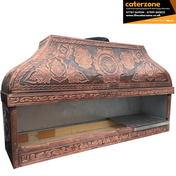
A heated gantry is a shelf, often stainless steel, mounted above a counter or hot cupboard with heating elements or lamps built into its underside. It turns the top of the counter into a heated pass where several plates can wait at once, and the shelf above provides space for plates or garnish. Gantries come as single or double tiers and in widths from around 885mm to 1,890mm.
A plate warmer is an insulated, thermostatically controlled cabinet or dispenser that heats plates before food goes on them. It does not heat food at all; it stops a cold plate pulling heat out of the food. Hamoki's HC-1 and HC-2 heated cupboards hold 60 and 120 plates of up to 320mm diameter, at a controllable 30°C to 85°C. Most busy kitchens need both: heat on the pass, and warm plates underneath.
Infrared bulbs or halogen: which heating works best?
Infrared heat lamps use a reflector bulb, usually 250W, that emits most of its energy as heat rather than light. The heat falls on the food surface directly, so it warms the plate and food without much effect on the surrounding air. Bulbs come in clear or red-tinted glass; red bulbs make meat and chips look warmer and richer but distort colour, which some chefs dislike for plated fine dining.
Halogen gantries — such as the Inomak hot cupboards with a halogen heated box containing three lamps — use halogen elements that heat quickly, give a bright white light that shows food honestly, and switch on to working output almost instantly. They are common on modern passes and hotel servery counters.
Whichever you choose, specify shatter-resistant bulbs, which carry a protective coating to contain glass if a bulb breaks. A shattered bulb above an open plate is a physical contamination hazard, and your HACCP plan should name it. Keep spare bulbs — Combisteel 250W replacement bulbs cost around £41 — and replace them in pairs or sets so the heat stays even across the pass.
Heat lamp, gantry, and plate warmer comparison
| Equipment | Key specs | Best for | Guide price |
|---|---|---|---|
| Combisteel rise-and-fall heat lamp | 250W, 600–800mm height | Carving stations, small passes | £180.90–£250.90 |
| Combisteel 2-lamp station with GN 1/1 | 0.5kW, 100mm GN pan included | Fast food, food trucks, buffets | £328.90 |
| Inomak single gantry | AISI 304, 1,090–1,890mm wide | Fits Inomak counters and hot cupboards | £407–£552 |
| Hamoki HC-1 plate warmer | 60 plates, 0.75kW, 30–85°C | Cafés, restaurants up to ~50 covers | £349 |
| Hamoki HC-2 plate warmer | 120 plates, 1.2kW, 30–85°C | Busy restaurants, pubs | £499 |
| Inomak hot cupboard with heated gantry | 1,100–1,900mm, fan-assisted cupboard | Carveries, hotel and banqueting passes | £2,639–£4,411 |
How high should a heat lamp be mounted?
Follow the manufacturer's stated height range, because bulb output and shade design vary. Combisteel's rise-and-fall lamps are designed to work between 600mm and 800mm above the counter, which is typical. Too high and the heat spreads thinly and food cools anyway; too low and you risk drying or overcooking the surface, melting garnishes, and making the pass uncomfortable to work under.
Use the adjustment intelligently. Lower the lamp for dense items that hold heat well, such as roast joints at a carving station, and raise it for delicate items — fish, sauced dishes, and anything with a fresh garnish — that would dry or wilt under intense heat. Test with a probe and a timer during set-up rather than guessing.
For gantries, the element height is fixed, so choose the right unit for the counter. Gantries are typically designed to suit specific counter and hot cupboard ranges — Inomak gantries, for example, fit Inomak hot cupboards, ambient cupboards, and open bain maries — so confirm compatibility and mounting before ordering.
How long can food sit under a heat lamp?
A heat lamp is designed to hold plated food for minutes, not to hot-hold food for hours. On a well-run pass, a plate should sit under the lamp for no more than two to three minutes before it is collected. Leave it longer and the surface dries, sauces skin, chips go leathery, and the edges of the plate become dangerously hot to handle.
For longer holding — buffets, carveries, and breakfast service — use a lamp station over a gastronorm pan, such as the Combisteel 2-lamp unit supplied with a 100mm GN 1/1 pan, or a proper hot holding unit. Even then, UK rules apply: hot food on display must be kept at 63°C or above, measured in the food. A single period of up to two hours below 63°C is allowed for display, after which the food must be sold, reheated to 63°C or above, or discarded.
Probe food under lamps at the start of service and at intervals, and log the readings. Heat lamps warm the surface far more than the centre, so a hot-looking tray can hide a lukewarm middle. For longer holding of whole dishes, see our hot holding cabinet guide.
What size plate warmer does a restaurant need?
Size a plate warmer on the number of hot main-course plates you serve in your busiest 30 to 45 minutes, not on total covers. Warm plates are used and returned through the dishwasher continuously, so the warmer needs to hold the peak surge plus a buffer. As a guide, a 60-plate warmer such as the Hamoki HC-1 suits a café or restaurant up to around 50 covers; a 120-plate HC-2 suits most busy restaurants and pubs; and banqueting or wedding kitchens serving 150 plates at once need heated plate dispensers or several cabinets.
Check plate size too. Hamoki cabinets take plates up to 320mm diameter; if you serve on large or square plates, measure them against the cabinet's internal dimensions and plate holder before ordering. Heated plate dispensers, such as the Blizzard 100-plate dispenser with a granite top and castors, raise each plate to a working height as the one above is taken, which helps on a busy pass.
Set temperature sensibly. Plates hot enough to keep food warm do not need to be dangerously hot — many kitchens run plate warmers in the 60°C to 70°C range. Plates above that can burn staff and diners and crack sauces on contact. Provide serving cloths and warn customers when plates are hot.
What does heated pass equipment cost to run?
Heat lamps are simple to cost: a 250W lamp running for an hour uses 0.25kWh, about 6p at 25p per kWh. A two-lamp station at 0.5kW costs around 12p to 13p an hour; a four-lamp gantry run for a ten-hour day costs about £2.50. Plate warmers cycle on a thermostat, so a 0.75kW Hamoki HC-1 typically averages well below its rated power once warm.
Savings come from switching off. Fit lamps with individual switches, turn them off when the pass is empty, and do not leave them burning through split shifts. Bulbs also have a finite life, so lamps left on all day cost more in replacement bulbs as well as electricity.
Electrically, single lamps and small plate warmers run from a 13A socket. Larger hot cupboards with gantries may need a dedicated circuit — check the data plate. PAT test all portable units annually and inspect the cable and arm of any rise-and-fall lamp, which flexes daily.
Frequently asked questions
How much do commercial heat lamps cost in the UK?
Single 250W rise-and-fall heat lamps cost around £180 to £250, and decorative telescopic or flexible lamps up to about £380. A two-lamp station with a GN 1/1 pan costs about £329. Replacement 250W bulbs cost around £41. Single heated gantries run from about £407 to £552.
How long can plated food stay under a heat lamp?
Aim for no more than two to three minutes between plating and collection. Heat lamps are designed to bridge the gap between pass and table, not to hot-hold food for long periods. For longer holding, use a hot cupboard or hot holding cabinet and keep food at 63°C or above.
What temperature should a plate warmer be set to?
Many kitchens run plate warmers at around 60°C to 70°C, which keeps food warm without making plates dangerous to handle. Most units, including the Hamoki HC range, adjust from about 30°C to 85°C. Provide cloths and warn customers when plates are hot.
Are red or clear heat lamp bulbs better?
Red bulbs make meat, chips, and pastry look warmer and more golden, which suits carveries and fast food. Clear bulbs show food in truer colour, which suits plated restaurant service. Either way, choose shatter-resistant coated bulbs to protect food if a bulb breaks.
Do heat lamps keep food at a safe temperature?
They help, but they heat the surface far more than the centre. Hot food on display must be held at 63°C or above, measured in the food with a probe. Use lamps over pre-heated food only, check temperatures regularly, and record them in your HACCP log.
What size plate warmer do I need?
Size on your busiest 30 to 45 minutes of hot plates. A 60-plate warmer suits most cafés and restaurants up to around 50 covers; a 120-plate warmer suits busier restaurants and pubs. Banqueting kitchens serving more than 100 plates at once need dispensers or several cabinets.
Where to buy heat lamps and plate warmers in the UK
Caterzone stocks Combisteel heat lamps, Inomak gantries and hot cupboards, and Hamoki plate warmers. Browse the food warmer collection or the dedicated plate warmer range, or start with the Combisteel black 250W rise-and-fall heat lamp at £180.90, the two-lamp heat station with GN 1/1 pan at £328.90, and the Hamoki HC-2 120-plate warmer at £499. For a full heated pass, the Inomak 1,100mm hot cupboard with heated gantry is £2,639.
For the rest of your hot-holding line, read our commercial bain marie guide and our hot holding cabinet guide. To plan a pass around your covers, call Caterzone on +44 7787 069044 or email info@thecaterzone.co.uk.